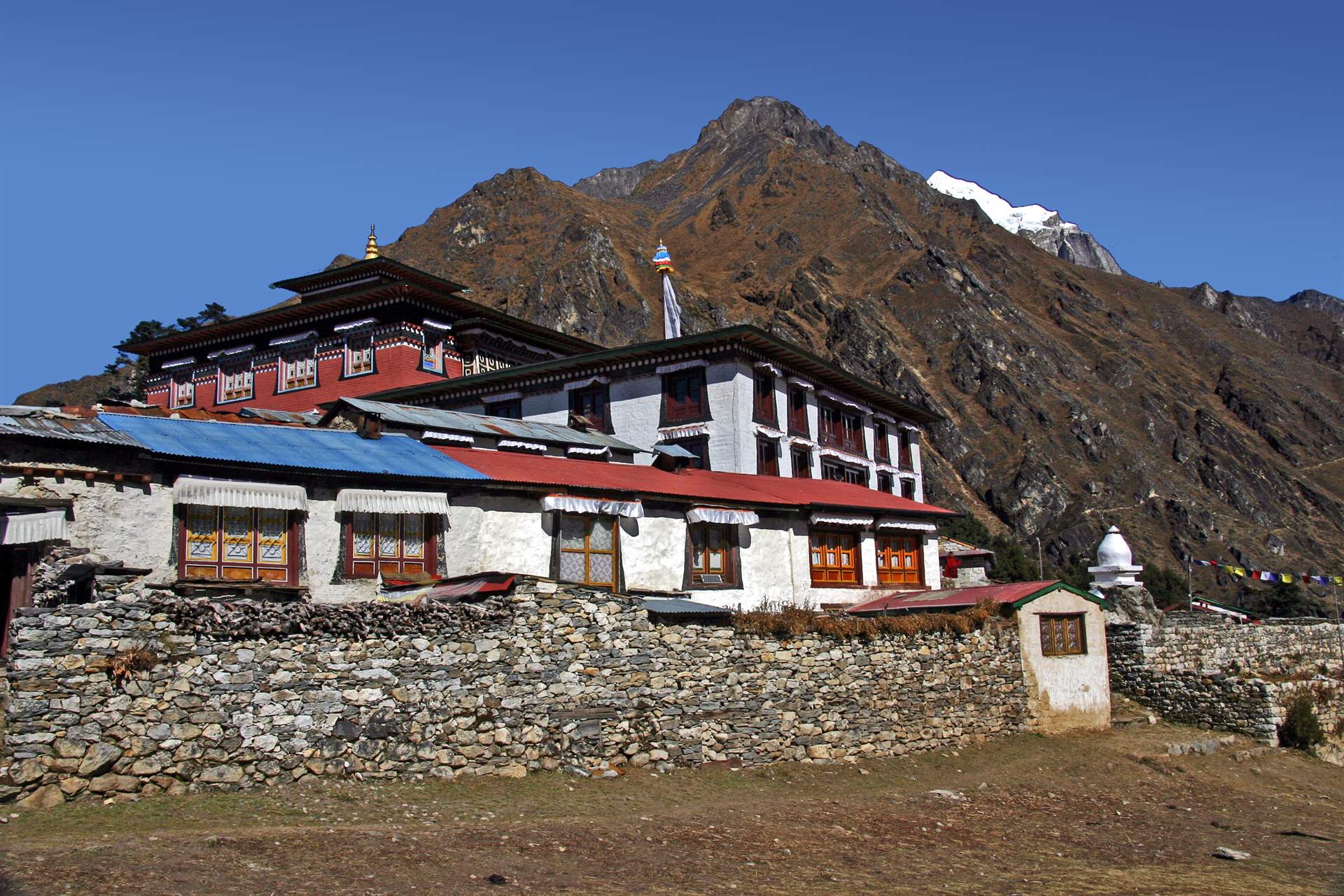
Born under Ama Dablam.
Uchai was started in 2009 by a guide from Khumjung who believed trekkers deserved better guiding, and that the people who carry the Himalaya’s tourism industry deserved a better deal.
“I want people to leave Nepal having met it properly: the families, the food, the monasteries. And I want every one of them to get home safe.”
Pemba Dorje, founder
Pemba carried loads to Everest Base Camp at sixteen and guided his first group at nineteen. He saw companies cut corners on altitude, pay porters by the kilo and pack too many trekkers onto one guide.
Uchai does the opposite. We cap groups at twelve, pay published wages, build rest days into every itinerary and give guides the authority to turn anyone around, including the paying customer, when the mountain says so.
Small
Twelve trekkers, maximum. One guide for every six.
Local
Every guide is from the region they lead in.
Fair
Published wages, insurance and gear for every porter.
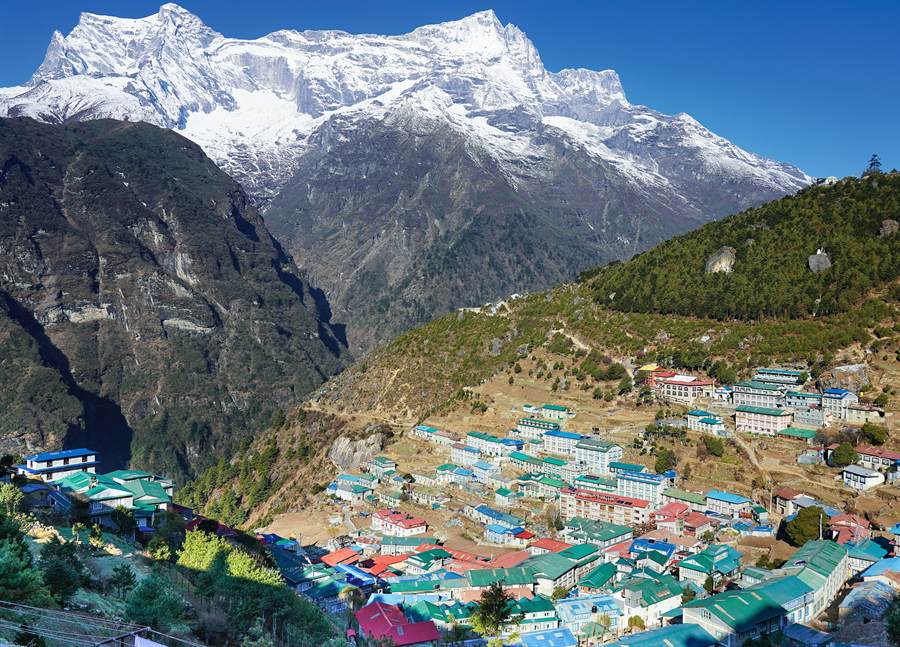
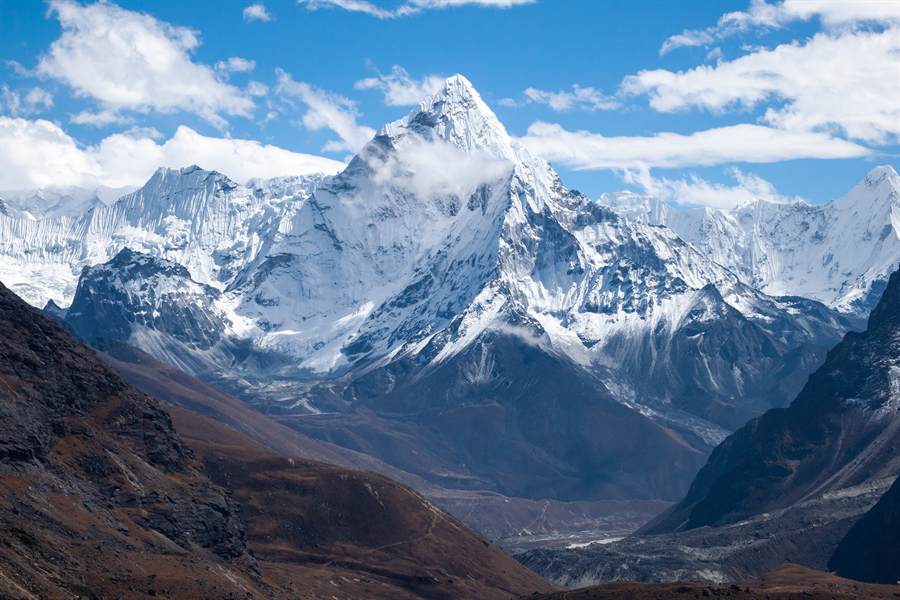
How we got here.
- 2009
First trek
Pemba leads six friends-of-friends to Kala Patthar. Uchai is born in a Thamel tea shop.
- 2015
Rebuilding
After the earthquake our crew spends a season rebuilding homes in Langtang and Gorkha.
- 2019
Women on the trail
We launch a paid training programme for women guides. Today a third of our guides are women.
- 2024
14,000 trekkers
Fifteen years, nine routes and a 98% rate of reaching the high point.
Your guides, by name.
You’ll know who is leading your trek before you book. These are the faces of our team.
Team members are fictional, created for this concept website.
Our altitude protocol.
Most altitude problems are avoidable. These are the rules every Uchai guide follows on every trek, every day.
Read our altitude guideA gentle profile
Above 3,000 m we keep daily gain in sleeping altitude to 300–500 m, with a rest day every 1,000 m.
Twice-daily checks
Blood oxygen, heart rate and a symptom score every morning and evening, logged and compared day to day.
The guide decides
Guides have full authority to hold or descend. Nobody, including us in the office, can overrule them.
Always a way down
Every night’s stop has a planned descent route and a helicopter landing site agreed in advance.
Kit that matters
Every group carries a pulse oximeter, a full first-aid kit, a satellite messenger and emergency oxygen above 4,000 m.
What your trek pays for.
Tourism is the biggest employer in the mountains. We want the money to stay there.
Stays in Nepal
Of every trek price goes to Nepali wages, lodges, permits and transport.
Porter load limit
Half the weight many porters still carry. Every porter is insured and equipped.
Rubbish carried down
Every group brings back a bag of litter from the trail. Three tonnes and counting.
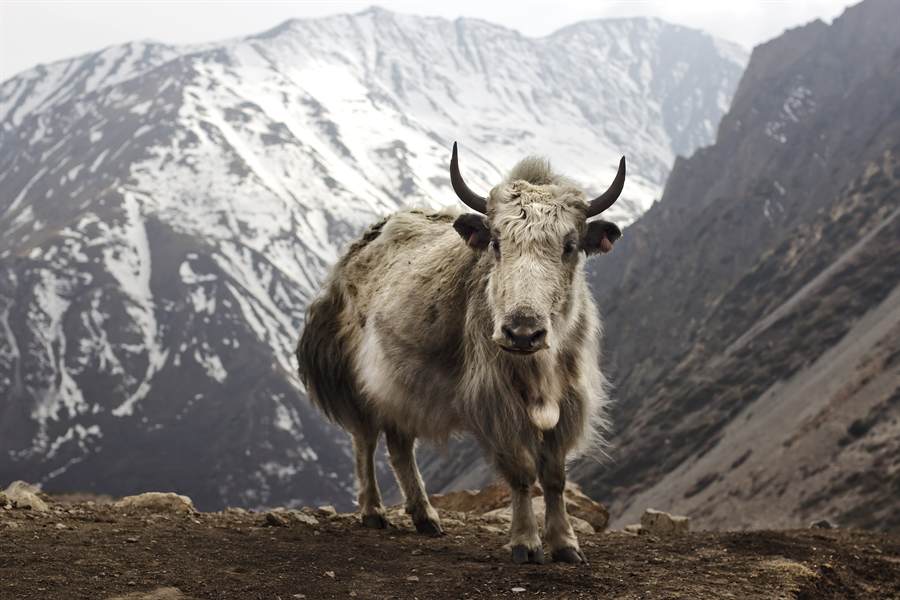 Ready when you are
Let’s plan your trek.
Tell us your dates and what you’re dreaming of. A guide, not a salesperson, will reply within a day.